
Sanitization: Saltwater Swimming Pool VS Trichlor Tablets
Choosing the right swimming pool sanitization system doesn’t need to be a major decision for homeowners in Hawaii. Working with an experienced and professional swimming pool contractor in the state of Hawaii, helps homeowners understand the differences between saltwater and chlorine tab pools so they can make a confident investment that fits their lifestyle and property.
Both systems are popular across the state of Hawaii, but each comes with unique advantages and responsibilities. Understanding how these sanitizer solutions perform in Hawaii’s coastal environment can help homeowners avoid unnecessary repairs, reduce maintenance challenges, and enjoy cleaner, safer and more comfortable water.
Understanding the Core Differences Between Saltwater and Chlorine Pools
At a basic level, both saltwater and chlorine tab pools rely on chlorine to sanitize the water. The difference lies in how that chlorine is produced and maintained. A traditional chlorine pool requires homeowners to manually add chlorine tablets or liquid chemicals. Saltwater pools use a salt chlorine generator that converts salt directly into Chlorine. saltwater systems offer greater consistency in chlorine levels, while chlorine pools provide simpler upfront installation. The choice depends on maintenance preferences, budget, and sensitivity to chemicals.
Chlorine Tablets: Trichlor
Trichlor (short for trichloroisocyanuric acid or Trichloro‑S‑Triazinetrione) is a highly concentrated, stabilized chlorine tablet widely used for routine swimming pool sanitation. When placed in water, trichlor dissolves slowly, releasing hydrochloric acid that kills bacteria, viruses, algae, and other contaminants. The CYA stabilizes the chlorine, but over time CYA levels build up, which can cause “chlorine lock” (reduced chlorine effectiveness)
Saltwater pools generally require less day-to-day chemical handling, but they do require monitoring of salt levels and periodic inspection of the salt cell. A qualified pool installation contractor in Honolulu, HI, ensures the system is properly sized and installed to reduce wear and extend equipment life.
Key maintenance considerations include:
Routine water testing for balance and sanitation.
Equipment inspections to prevent corrosion.
Salt cell cleaning and replacement over time.
Proper Cyunaric Acid levels.
Water Feel and Comfort for Families
Many homeowners in Honolulu choose saltwater pools because of how the water feels. Saltwater pools are known for being gentler on skin and eyes, with less noticeable chemical odor. This makes them appealing for families, children, and individuals with sensitive skin.
Chlorine Tablet pools can sometimes cause dryness or irritation of skin and eyes. Chlorine
Equipment Requirements and Longevity
Saltwater pools require specialized equipment, including a Salt Chlorine Generator and Power Center. While this adds to the upfront cost, it often reduces ongoing chemical expenses.
Chlorine pools rely on more traditional equipment and are typically less expensive to install initially, but require more frequent draining of the swimming pool due to raised CYA levels and have a lower PH level that is more corrosive and can damage to equipment and surfaces within the pool.
Upfront Costs vs. Long-Term Value
Cost comparisons between saltwater and chlorine pools should consider both installation and long-term ownership. Saltwater systems usually have higher upfront costs due to specialized equipment, but Salt systems
Chlorine pools often cost less to install but may require ongoing chemical expenses and more frequent maintenance visits. A professional pool installation contractor in Honolulu, HI, can provide realistic cost projections based on pool size, usage, and maintenance habits.
Cyanuric Acid: Chlorine Stabilizer
CYA protects chlorine from UV degradation, which is genuinely useful. Without any stabilizer, sunlight destroys free chlorine in as little as two hours. But CYA works by binding to chlorine molecules, and at high concentrations it binds so aggressively that the chlorine becomes slow to react with pathogens. This effect is called chlorine lock, and it is the reason a pool with 150 ppm CYA can test at 4 ppm free chlorine and still look green.
Health and Safety Considerations
Both pool types are safe when properly maintained. Saltwater pools typically have lower combined chlorine levels, which reduces strong odors and irritation. Chlorine pools can be just as safe but require careful chemical handling.
Homeowners working with a professional pool contractor in Honolulu, HI, benefit from expert guidance on system calibration, water chemistry, and safety features that protect swimmers and equipment.
Choosing the Right System for Your Property is Essential
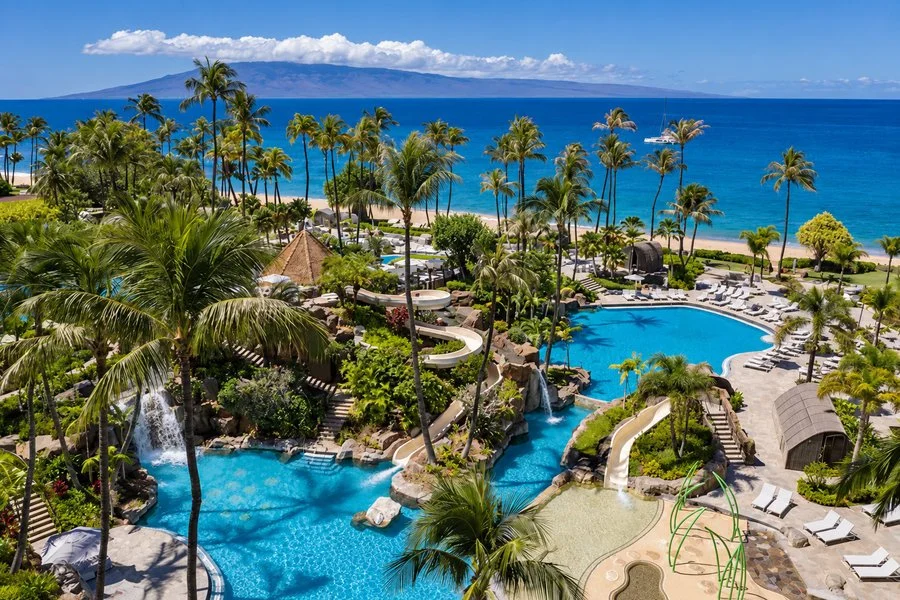
From residential backyard swimming pools to large hotels, resorts, and condominium properties, Pacific Aquascapes has the experience, expertise, and industry knowledge to help guide your project from concept to completion. Our team works closely with homeowners, property managers, and developers to ensure the right decisions are made every step of the way. A professional evaluation can help avoid costly mistakes, maximize your investment, and provide long-term satisfaction for years to come.
Why Professional Guidance Matters
Installing or converting a pool system without expert input can lead to equipment failure, inefficient sanitation, and higher costs. A licensed swimming pool contractor in Honolulu, HI, provides insight into local regulations, material selection, and system performance in Hawaii’s unique environment.
Professional installation protects your investment and ensures your pool delivers comfort, reliability, safety and value for years to come.
Reach out today for a Salt Water Pool Conversion
If you are deciding between a saltwater or chlorine pool, expert guidance makes all the difference. Pacific AquaTech, Inc. provides professional design, installation, and consultation services tailored to Hawaii homes. Speak with a trusted pool installation contractor in Honolulu, HI, by calling (808) 682-1020 today to schedule an appointment to get expert service on the best pool system for your property and budget.